Last-Mile Delivery in Nigeria: Key Challenges
Although it is called the last mile, the actual distance can be much longer or shorter than one mile.
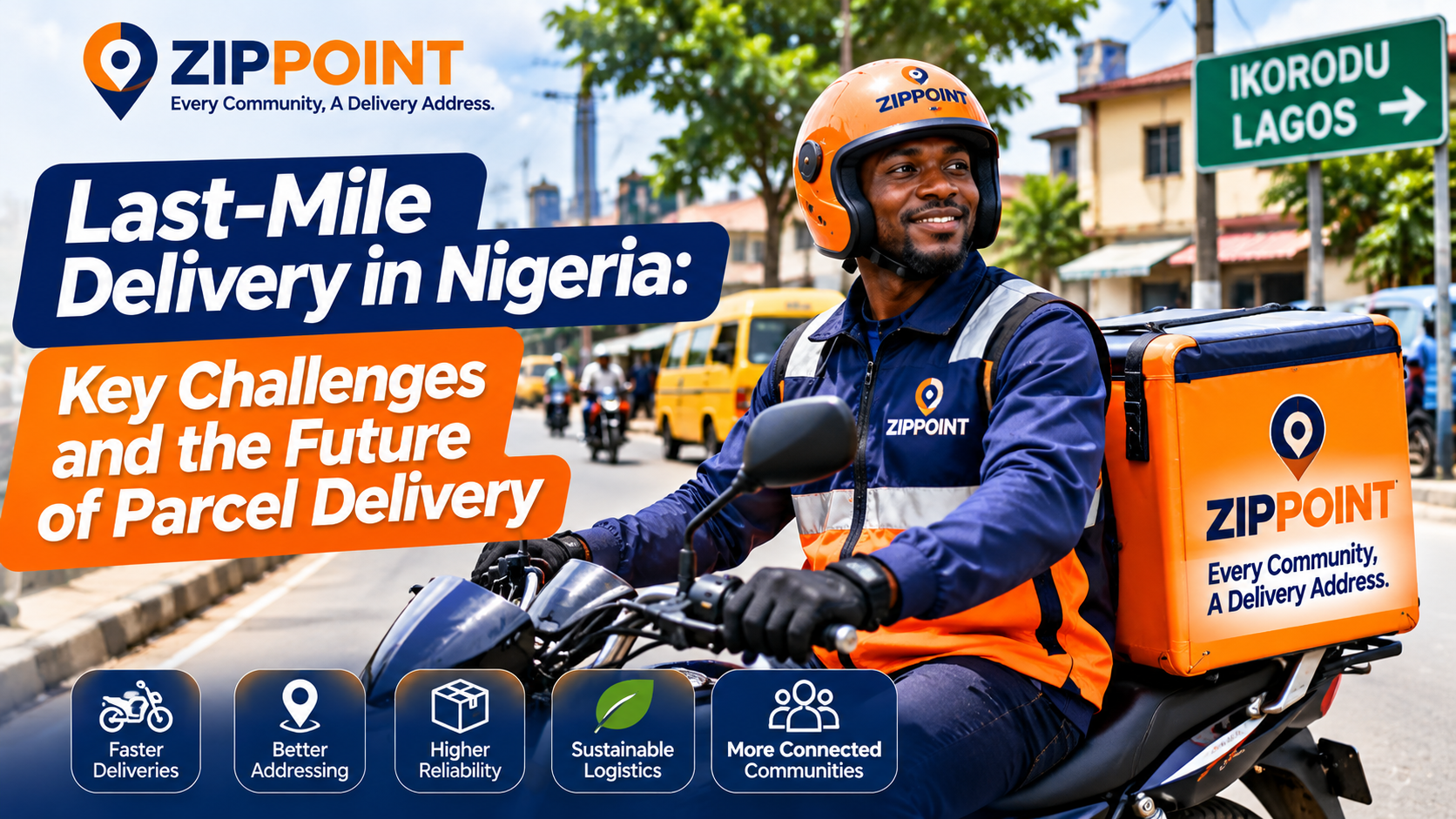
Imagine ordering a product online, receiving confirmation that your payment was successful, and then waiting several days for the package to arrive. The seller has done their part. The warehouse has processed the order. The parcel has been dispatched. Yet, the final journey between the delivery network and your doorstep becomes the most difficult part of the entire transaction.
This is the challenge of last-mile delivery in Nigeria.
As online shopping, digital commerce and business-to-consumer transactions continue to evolve, the ability to move parcels efficiently from a distribution point to their final destination has become increasingly important.
But what exactly is last-mile delivery, why does it matter, and what needs to change to improve parcel delivery services in Nigeria?
What Is Last-Mile Delivery?
Last-mile delivery refers to the final stage of the logistics process, where a parcel moves from a distribution centre, warehouse, local delivery facility or other dispatch point to its intended recipient.
Although it is called the last mile, the actual distance can be much longer or shorter than one mile.
For example, when someone purchases a smartphone from an online store in Lagos, the product may pass through several stages:
1. The seller receives and processes the order. 2. The product is packaged and prepared for dispatch. 3. The parcel moves to a distribution or sorting location. 4. A delivery operator takes responsibility for the final journey. 5. The package reaches the customer or an agreed collection destination.
The final stage is where delivery reliability, customer communication, location accuracy and operational efficiency become particularly important.
Why Is Last-Mile Delivery Important in Nigeria?
Nigeria has a diverse and rapidly changing commercial environment. Businesses serve customers across major cities, developing residential areas, suburban communities and locations with varying levels of road and addressing infrastructure.
For e-commerce businesses, the customer's experience does not end when the payment is completed. It ends when the purchased product is received successfully.
This makes last-mile delivery an important part of the overall customer experience.
According to DHL's May 2025 analysis of Nigerian e-commerce delivery, businesses face challenges involving delivery costs, infrastructure, addressing and traffic congestion. These issues can affect the reliability and economics of delivering orders to customers.
The importance of efficient delivery extends beyond online shopping. It also affects:
- Small and medium-sized businesses.
- Social commerce vendors.
- Retailers and wholesalers.
- Pharmaceutical and healthcare supply chains.
- Manufacturers and distributors.
- Individuals sending personal parcels.
- Businesses operating across multiple locations.
A dependable parcel delivery system can help businesses serve customers beyond their immediate geographical areas.
Five Major Challenges Affecting Last-Mile Delivery in Nigeria
1. Address Identification and Location Accuracy
One of the most persistent difficulties in parcel delivery is identifying the exact destination.
In some locations, street names, building numbers and formal addressing systems may be inconsistent or difficult to verify.
Delivery personnel may need additional instructions, phone calls, landmarks or location-sharing messages to identify the recipient.
This can increase delivery time and create unnecessary communication between customers and delivery operators.
Address accuracy is therefore not merely a geographical issue. It is an important part of logistics efficiency.
2. Traffic Congestion and Road Infrastructure
Traffic congestion is a significant operational consideration in commercial cities such as Lagos.
A delivery journey that appears short on a map may take considerably longer during peak traffic periods.
Poor road conditions, restricted access and changing traffic patterns can also affect delivery schedules.
For logistics businesses, these conditions make route planning, vehicle selection and realistic delivery commitments important considerations.
3. High Delivery and Operating Costs
The cost of completing a delivery involves more than fuel or the rider's payment.
It can include:
- Vehicle acquisition and maintenance.
- Fuel or energy.
- Staff salaries.
- Insurance.
- Packaging and handling.
- Failed delivery attempts.
- Customer support.
- Technology and communications.
- Security and operational administration.
When these costs are not properly managed, delivery businesses may struggle to maintain affordable prices while providing dependable services.
For smaller online businesses, expensive delivery can also discourage customers from completing purchases.
4. Failed Deliveries and Recipient Availability
A delivery attempt can fail for several reasons.
The customer may be unavailable, the delivery address may be incomplete, the phone number may be unreachable, or the recipient may not be prepared to receive the parcel.
Each failed attempt can create additional costs and inconvenience.
Clear communication, accurate delivery information and appropriate arrangements for receiving parcels can help reduce these problems.
5. Trust, Security and Parcel Accountability
Customers want to know that their packages are safe and that the person receiving them is authorised to do so.
Businesses also need confidence that parcels are handled responsibly throughout the delivery process.
Parcel tracking, proof of delivery, transparent communication, appropriate insurance and accountable handling procedures are important elements of a trustworthy delivery experience.
Trust is particularly important when customers are sending valuable products or making purchases from businesses they have never visited physically.
How Technology Is Changing Parcel Delivery in Nigeria
Technology is increasingly important in modern logistics.
Digital systems can improve the way delivery businesses receive orders, manage parcels, communicate with customers and monitor operations.
Some important areas of development include:
Digital addressing: Technology can help improve the identification and verification of delivery destinations, particularly where conventional street addressing is insufficient.
Real-time tracking: Tracking systems can provide better visibility into parcel movement and help customers understand delivery progress.
Route optimisation: Digital route planning can help delivery operators make better decisions about journeys, vehicle utilisation and delivery schedules.
Automated notifications: SMS, email and mobile notifications can keep customers informed about important delivery updates.
Data analytics: Operational data can help businesses identify delays, monitor performance and improve service quality.
Smart parcel infrastructure: Parcel lockers, automated collection systems and designated collection facilities offer additional ways of managing parcel handovers.
These technologies are not replacements for effective logistics management. Their value depends on reliable infrastructure, accurate information and appropriate implementation.
The Growing Importance of Digital Addressing
Digital addressing deserves particular attention in Nigeria's logistics industry.
A conventional address may describe a street, building or neighbourhood, but delivery operators may still need additional information to identify the exact destination.
Digital addressing aims to make locations easier to identify, reference and communicate through digital systems.
For parcel delivery businesses, better location identification can support:
- More accurate delivery instructions.
- Reduced uncertainty during dispatch.
- Improved location verification.
- Better communication between customers and delivery personnel.
- More consistent records of delivery destinations.
As digital commerce expands, the ability to identify where a customer is located will remain an important part of the delivery experience.
What Should Customers Look for When Choosing a Parcel Delivery Company?
Customers should not select a courier simply because its advertised price is the lowest.
A reliable parcel delivery provider should demonstrate:
1. Transparent pricing: Delivery charges and additional costs should be clearly communicated. 2. Parcel tracking: Customers should have reasonable visibility into the progress of their shipments. 3. Clear communication: There should be a dependable way to contact the delivery provider. 4. Security: Parcels should be handled responsibly, with appropriate accountability. 5. Delivery confirmation: Customers should receive confirmation when their parcels are successfully delivered. 6. Service coverage: The provider should be able to serve the intended destination. 7. Clear complaint procedures: Customers should understand how to report delays, damaged parcels or other delivery problems.
Businesses using courier services should also consider service consistency, insurance arrangements, delivery records and the provider's regulatory status.
Opportunities for the Nigerian Parcel Delivery Industry
The challenges facing the industry also create opportunities for innovation.
Nigeria needs logistics solutions that can respond to the practical realities of its cities and communities.
Opportunities exist in several areas:
- Better digital addressing infrastructure.
- More accessible parcel collection and delivery facilities.
- Technology-enabled courier operations.
- Improved parcel visibility and tracking.
- Sustainable delivery vehicles.
- Logistics services designed for small businesses.
- Greater collaboration between logistics operators and commercial organisations.
The future of parcel delivery will not depend on vehicles alone. It will also depend on how effectively technology, infrastructure, people and customer expectations are brought together.
What Does the Future Hold for Last-Mile Delivery in Nigeria?
The next phase of Nigeria's parcel delivery industry will likely place greater emphasis on reliability, accessibility, location accuracy, operational visibility and customer convenience.
Businesses will need to think beyond simply transporting packages from one location to another.
They will need to consider how customers access delivery services, how parcels are received, how delivery information is communicated and how logistics infrastructure can serve communities more effectively.
For consumers, this could mean more convenient ways to send and receive parcels.
For businesses, it could mean improved access to customers and more dependable distribution services.
For logistics entrepreneurs, it presents opportunities to participate in an industry where technology and physical infrastructure are increasingly interconnected.
ZipPoint believes that the future of parcel delivery should be built around accessibility, reliable addressing and better-connected communities.
Learn more about ZipPoint and its vision for improving parcel accessibility and community delivery infrastructure at "ZipPoint" https://zippoint.app/
As Nigeria's delivery ecosystem evolves, we will continue to explore the ideas, technologies and developments shaping the future of logistics.
Frequently Asked Questions About Last-Mile Delivery in Nigeria
What Is Last-Mile Delivery in Logistics?
Last-mile delivery is the final stage of the logistics process, involving the movement of a parcel from a distribution or dispatch location to its intended recipient.
Why Is Last-Mile Delivery Expensive in Nigeria?
Costs can be affected by traffic congestion, road conditions, fuel or energy, vehicle maintenance, staff, location identification, failed delivery attempts and other operational expenses.
What Is the Difference Between Courier Delivery and Last-Mile Delivery?
Courier delivery refers broadly to the service of collecting and transporting documents or parcels. Last-mile delivery specifically describes the final stage of getting a parcel to its recipient.
How Does Digital Addressing Improve Parcel Delivery?
Digital addressing can make delivery locations easier to identify and communicate, helping reduce uncertainty and improve the accuracy of destination information.
What Are Parcel Lockers and Parcel Kiosks?
Parcel lockers are secure storage compartments used for parcel collection and sometimes drop-off. Parcel kiosks are physical service points where customers may access parcel-related services, depending on the operator's facilities and arrangements.
Is Last-Mile Delivery a Business Opportunity in Nigeria?
Yes. Courier services, delivery operations, parcel collection facilities, logistics technology and supporting infrastructure represent areas of commercial activity. However, operators must assess local demand, operating costs, competition and applicable regulatory requirements.
Conclusion
Last-mile delivery is one of the most important stages of the modern logistics process. In Nigeria, addressing difficulties, traffic, operating costs, security and customer communication all influence how effectively parcels reach their destinations.
According to Olusola Ademola, founder of ZipPoint, Nigeria and other countries in West Africa should support logistics startups and invest in infrastructure for improved last mile delivery and commerce by extension.
Improving the delivery experience requires more than adding delivery vehicles. It requires better coordination, reliable information, appropriate infrastructure and technology that responds to the realities of the communities being served.
The future of logistics will be shaped by businesses that understand this wider picture.
ZipPoint – Every Community, A Delivery Address. ZipPoint
Olusola Ademola
Cofounder, ZIPPOINT
Cofounder of ZIPPOINT, building community-based parcel delivery and digital addressing infrastructure in Nigeria.
Comments (0)
- No comments yet. Be the first.
Log in to join the conversation.